 La Roquette
 Phytoremediation: how plants treat our greywater
May 2025 · 5 min read
When we renovated La Roquette, the question of wastewater treatment came up very early. Situated on the banks of the Lot, our responsibility towards the river was clear. We chose phytoremediation following the Anne Rivière system — a natural, silent and beautiful solution.
What is phytoremediation?
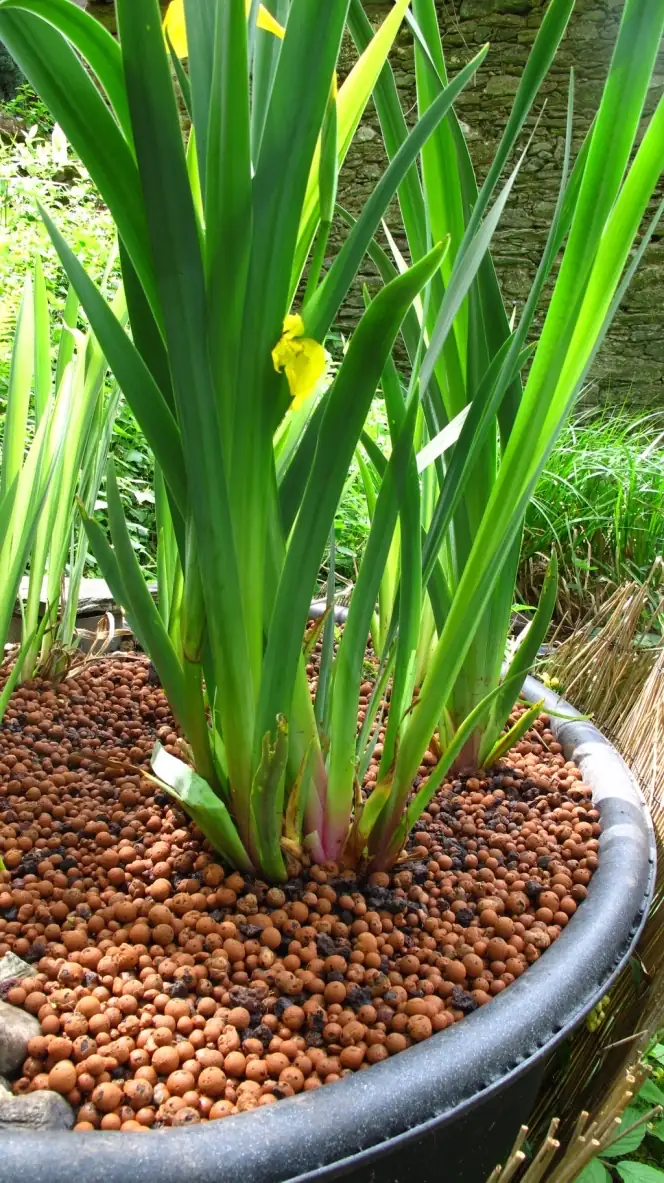
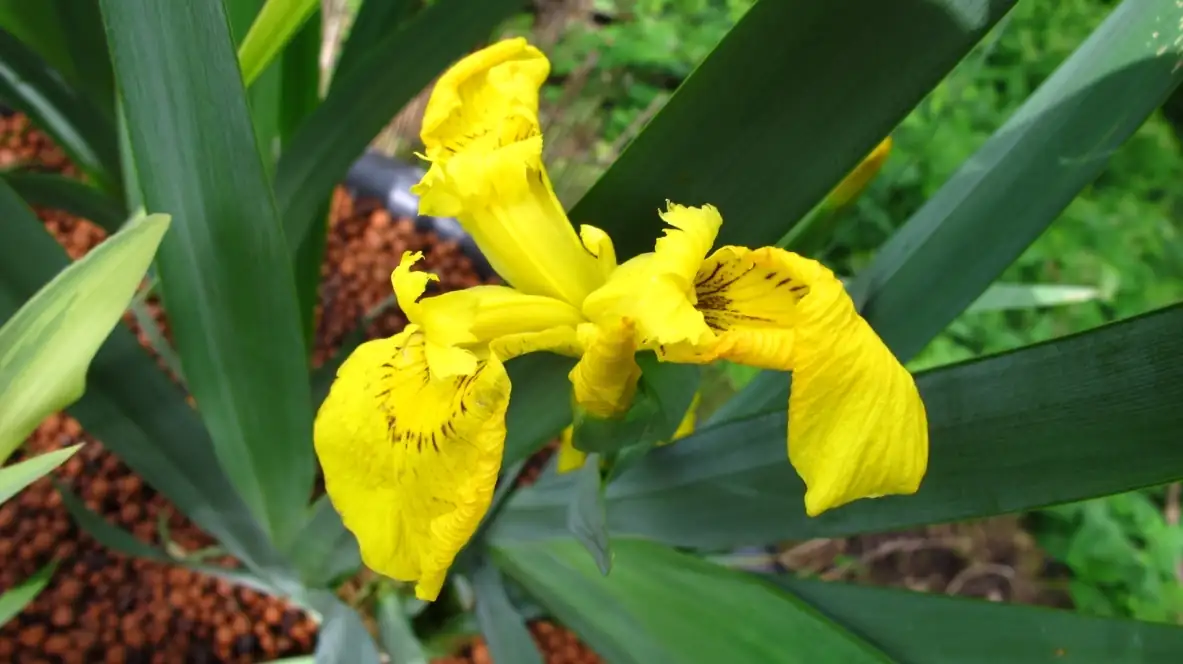
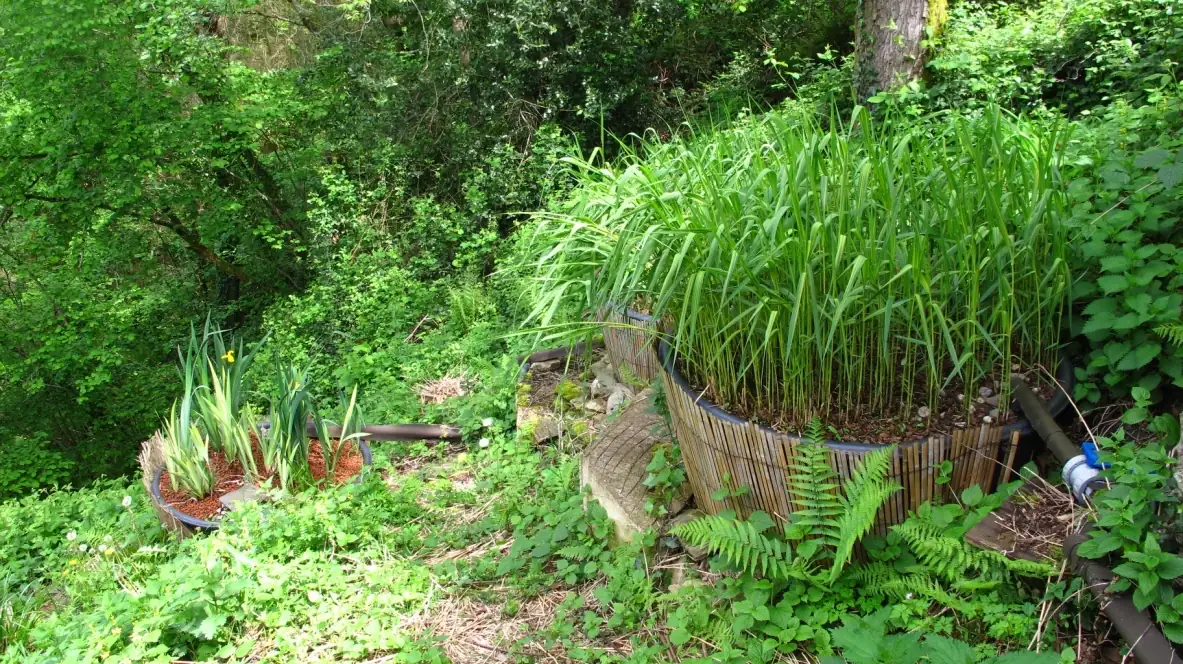
Phytoremediation, or constructed wetland treatment, is a system for treating greywater using plants and soil micro-organisms. In practice, wastewater (shower, washbasin, kitchen) passes through one or more basins filled with gravel or clay pebbles, planted with aquatic or semi-aquatic vegetation — reeds, bulrushes, marsh irises, rushes. These plants do not treat the water directly: it is the bacteria living in their roots and in the substrate that do the work. The plants oxygenate the substrate and create ideal conditions for these micro-organisms to thrive.
At the output of the system, the filtered water can rejoin the natural environment (subject to compliant analyses) or be reused for irrigation. At La Roquette, the phytoremediation pond feeds a wetland area on the edge of the property, which attracts frogs, salamanders and dragonflies.
The Anne Rivière system
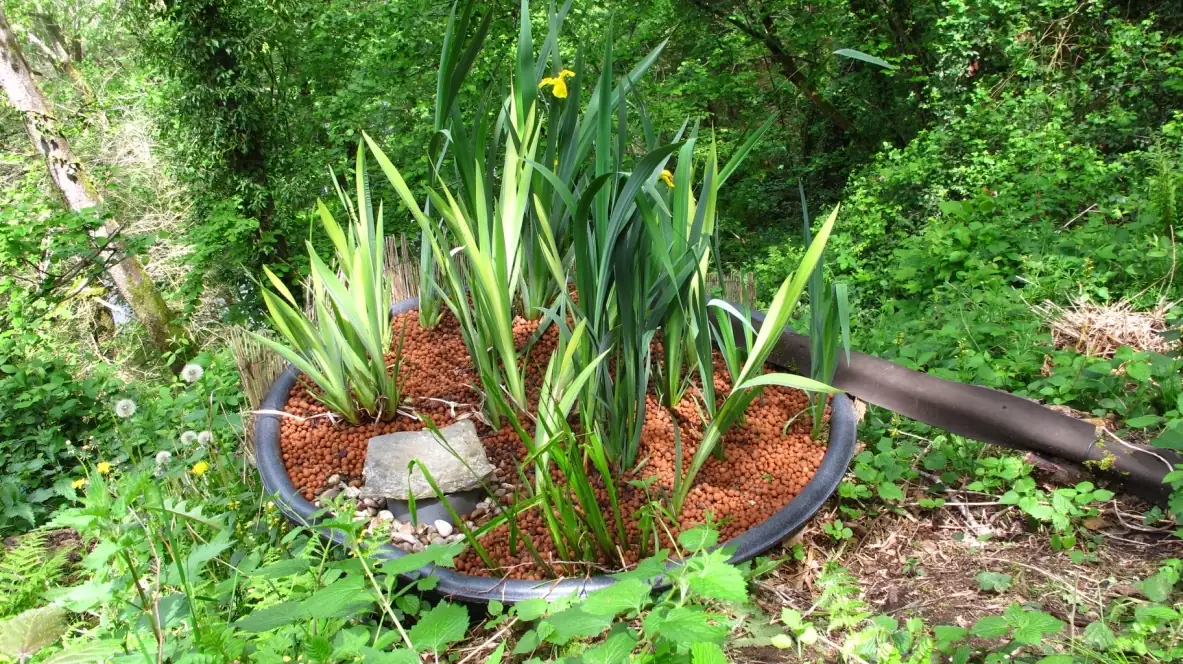
Anne Rivière is a French pioneer of domestic phytoremediation. Her approach, developed since the 1990s, relies on a series of successive basins planted with species chosen for their complementary filtering action: iris, reeds, bulrushes, rushes. Water flows from basin to basin by gravity, without pumps or electricity, and is progressively purified. At La Roquette, we followed her method: several cascading basins, from coarsest to finest, for complete treatment of the house and barn's greywater.
This system was designed to be replicable, low-cost and perfectly integrated into the landscape. It requires no technical maintenance: a simple annual pruning of the plants is enough. The materials (recycled plastic basins, bamboo screens, clay pebbles) are durable and easily available.
Why did we make this choice at La Roquette?
The answer is simple: we live on the banks of the Lot. This remarkable river is home to species sensitive to pollution — trout, white-clawed crayfish, otters. It seemed obvious to us that our sanitation system should match the beauty and fragility of the natural environment around us.
Compared to a conventional septic tank, phytoremediation offers several concrete advantages: no chemicals, no sludge to pump out regularly, minimal maintenance, and a landscaping integration that makes it an asset rather than a constraint. Our pond has become a natural corner of the estate in its own right, right next to the old stone walls.
Composting toilets: eliminating black water
Phytoremediation treats greywater — from showers, washbasins and kitchens. For black water (WC), we chose composting toilets with a bio-managed litter system. This system, which uses sawdust or wood shavings to cover deposits, completely eliminates the production of black water. There is no smell (if you follow the simple steps learned in a few minutes), no water consumed, no pollutant discharged.
The compost from the composting toilets, once matured for two years, is a high-quality agricultural amendment. Some of our guests arrive with reservations; most leave convinced. Well-designed composting toilets are comfortable and completely odour-free — it is a matter of design and use.
Spring water: preserving a precious resource
At La Roquette, we are supplied with water from a natural spring on the estate, captured and filtered. This exceptionally high-quality water is a precious resource that reminds us daily of the importance of water conservation. Our fittings (flow-reducing showerheads, low-consumption taps) are chosen to limit consumption without sacrificing comfort.
This virtuous cycle — spring water, phytoremediation, composting toilets — represents our concrete way of living in harmony with the natural environment. To find out more about our commitments, see our The Place page or contact us directly.